
Introduction
Driftdown
This topic covers Driftdown and explores Method 1: Weight Reduction as well as Method 2: Escape Routes.
We estimate that this will take 10 minutes to complete.
Introduction
Driftdown is used when an aircraft loses an engine and can no longer maintain altitude, ensuring safe terrain clearance. It allows pilots to descend to a level where the remaining engine can sustain flight. Driftdown improves safety, decision-making, and confidence in handling engine-out situations.
There are two Driftdown methods available to pilots: Method 1 and Method 2.
- Method 1: Determines the aircraft’s maximum safe Flight Level (FL) for one-engine performance by evaluating current weight, temperature, and altitude. While accounting for Fuel Burn, it recommends weight reductions if needed to maintain a safe altitude after engine failure.
- Method 2: Calculates escape routes for engine-loss scenarios, guiding the aircraft along safe descent paths that consider terrain and flight conditions. These paths adjust for changing weight throughout the flight to ensure continued single-engine flight and a safe landing.
Driftdown Overview
When an engine fails, aircraft performance becomes increasingly limited, especially at higher FL. The aircraft can no longer maintain its current altitude safely, so Pilots must descend to a lower altitude where the remaining engine can keep it flying safely. Terrain (mountain presence) is a key factor in deciding how to safely descend. If the aircraft is flying over flat ground with no mountains, descending is straightforward. However, if mountains are present, either the aircraft’s maximum weight must be reduced (by decreasing cargo, passengers, and/or fuel), or a safe airport for landing is designated to protect the payload.
In engine-out scenarios, Driftdown provides a safe path that clears terrain while descending to a level-off altitude. These routes are calculated based on known engine-out driftdown performance data, ensuring the aircraft can safely fly at the new altitude after engine failure.
There are two ways to plan a safe descent:
- Method 1
- Method 2.
Pilots or Dispatchers can select either Method 1 or Method 2 within N-Flight Planning (NFP). Both methods aim to keep the aircraft safe after engine loss, however, differ in approach.
Detailed Explanation
Method 1 - Example
Method 1: Weight Reduction
Method 1 checks the aircraft’s current weight—taking into account passengers, cargo, and fuel. It determines the maximum FL given one-engine performance at that weight, temperature, and altitude that it can safely fly. Additionally, this method considers fuel burn; as fuel burns during the flight, the aircraft gets lighter, allowing it to maintain or climb to a higher altitude later in the flight.
If the aircraft is too heavy to safely maintain the planned altitude after engine failure, Method 1 calculates how much weight must be reduced. For instance, offloading cargo or fuel. This ensures the flight can continue safely (at a specific FL while clearing terrain).
Example: With a payload of 15,000 lbs, N-FP checks if weight reduction is required to maintain safe flight at the planned altitude considering one‑engine performance limits.
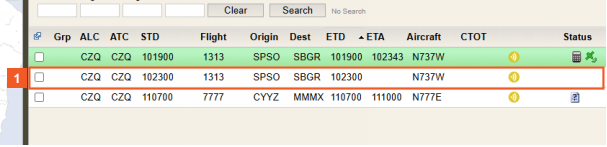
 Click Flight 1313 (with STD 102300).
We will now complete an example demonstrating Method 1: Weight Reduction.
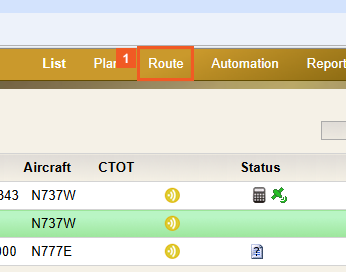
 Click the Route tab.

 Click the Optimum route table cell.
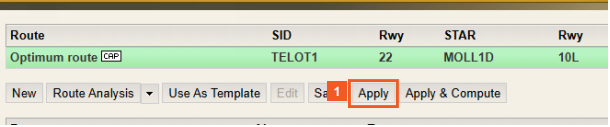
 Click the Apply button.
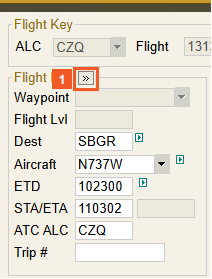
 Click Flight Info expansion menu (two arrows).
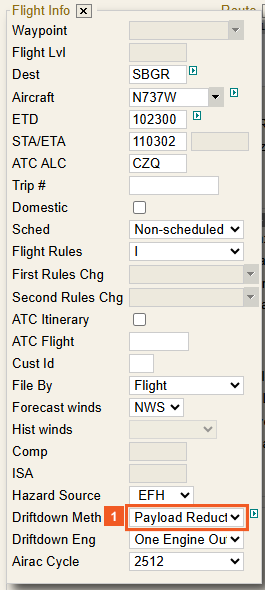
 Click the Driftdown Meth dropdown button.
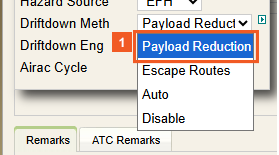
 Click the Payload Reduction list item.
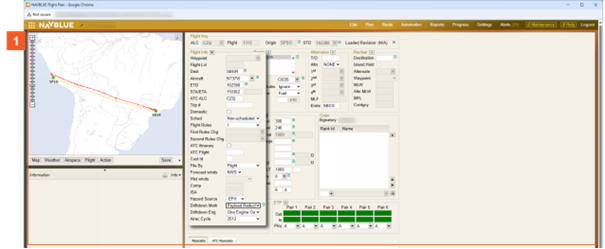
 Click anywhere outside of the expansion menu.
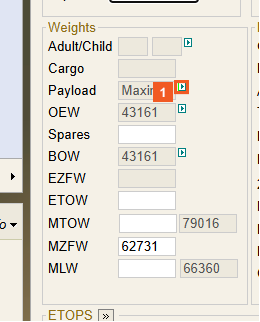
 Click Payload expansion menu.
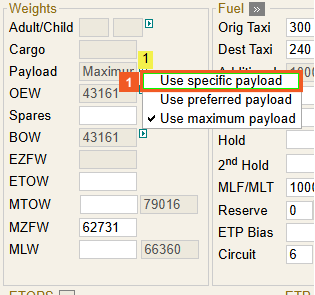
 Click the Use specific payload list item.
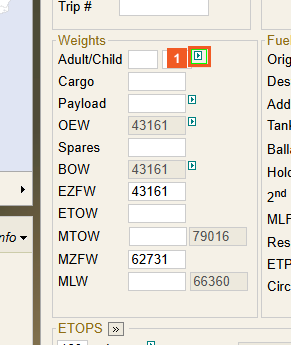
 Click Adult/Child expansion menu.
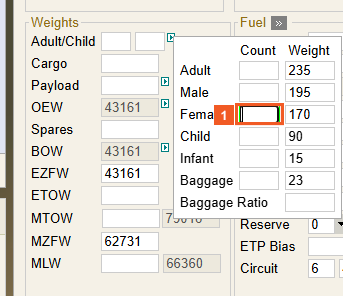
 Click the Female input field.
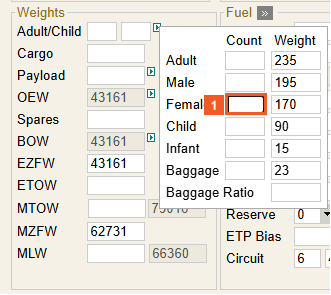
 Enter 70 into the Female field.
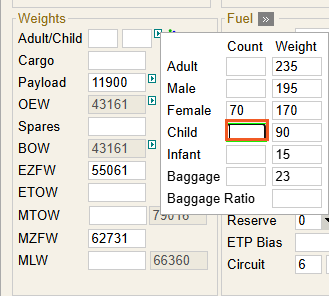
 Click the Child input field.
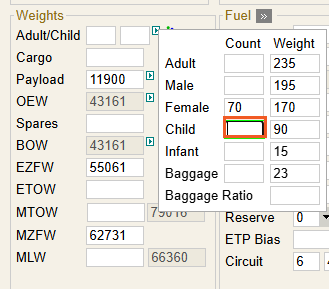
 Enter 20 into the Child field.
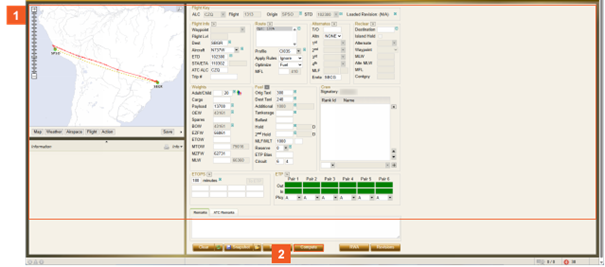
 Click anywhere outside of the expansion menu.
 Click the Compute button.
View and read the Compute warning message.
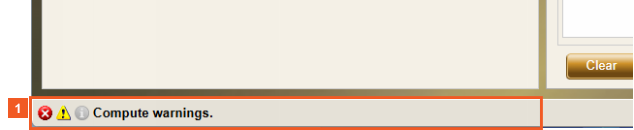
 Click Compute warnings. message.
Please review the Compute warning carefully.
HINT
After viewing the warnings, you can click "Clear" to remove message(s) from the warnings panel.
Note: If multiple messages are displayed, you can sort them in ascending (arrow pointing up) or descending order (arrow pointing down).
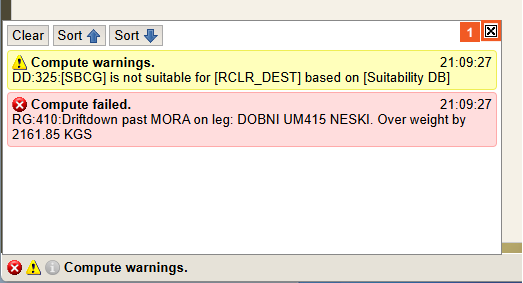
 Click the Close button.
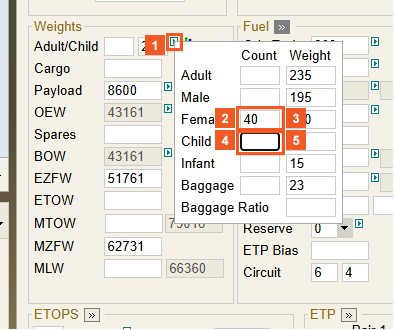
 Click Payload expansion menu.
 Click the Female input field.
For the purpose of this example, we have deleted the previous numerical value of 70.
 Enter 40 into the Female field.
 Click the Child input field.
Again, we have deleted the previous numerical value of 20.
Again, we have deleted the previous numerical value of 20.
 Enter 10 into the Child field.
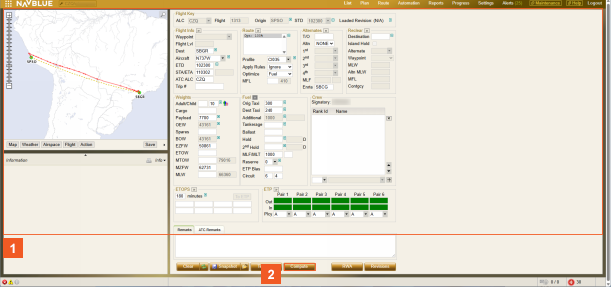
 Click anywhere outside of the expansion menu.
 Click the Compute button.
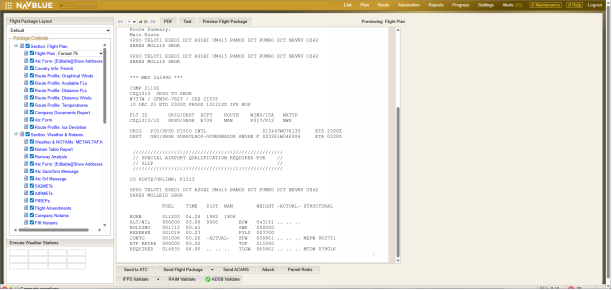
SUCCESS
Congratulations! You have successfully created a Driftdown compliant Flight Plan using Method 1: Weight Reduction, by reducing the number of passengers, ultimately reducing the overall weight of the aircraft.
Let’s now move on to explore and learn about Method 2: Escape Routes.
Method 2 - Example
Method 2: Escape Routes
Method 2 focuses on finding safe Escape Routes when an engine fails. These routes allow the aircraft to descend to an altitude where the remaining engine(s) can maintain flight and safely land. The path generated goes through or around terrain after engine failure (loss) while protecting the maximum planned payload of the flight based on aircraft weight.
During engine loss, the aircraft must descend to an altitude at which the atmosphere is dense enough to allow the remaining engine to sustain FL. The crew will level off, once the aircraft reaches a suitable FL. The suitable altitude depends on the aircraft's weight at the start of the leg where engine loss occurs. As fuel burns and flight weight decreases, the aircraft can sustain higher FLs in later legs.
This method calculates a safe path (escape route) when terrain exceeds the Minimum Off-Route Altitude (MORA). It ensures the aircraft can safely descend to a lower FL, appropriate for its weight and performance. In other words, the maximum MORA threshold increases for later legs due to fuel burn-off causing lower weights (and by extension higher drift-down FLs).
Method 2 Driftdown Escape Routes are calculated for all legs of a flight. It starts at the Top of Climb (TOC) waypoint—when the aircraft enters the cruise portion of the flight. It ends at the first Top of Descent (TOD) waypoint—where descent begins.
Note: N-Flight Planning (NFP) monitors aircraft weight, FL, and terrain. If the aircraft is overweight to safely fly at the planned altitude in an engine-out (loss of engine) scenario, configured systems automatically provide warnings or error messages (if configured). Additionally, it advises of safe paths and FLs to navigate terrain safely.

 Click Flight number 1313.
We will now complete an example demonstrating Method 2: Escape Routes.

 Click the Route tab.

 Click the Optimum route table cell.
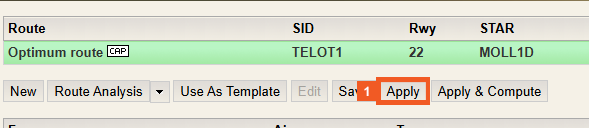
 Click the Apply button.
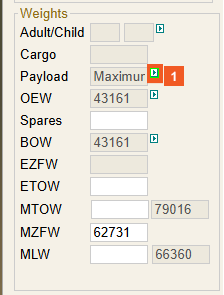
 Click Payload expansion menu.
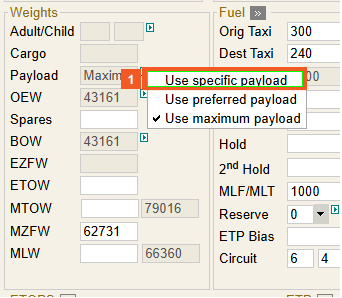
 Click the Use specific payload list item.
 Click Adult/Child expansion menu.
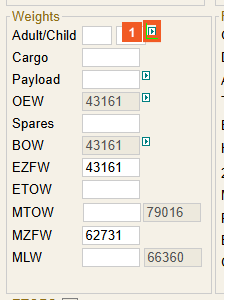
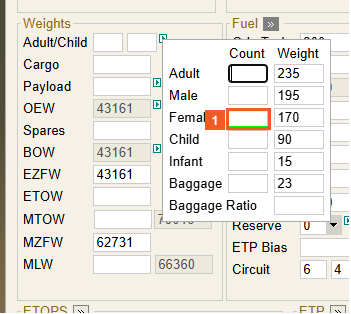
 Click the Female input field.
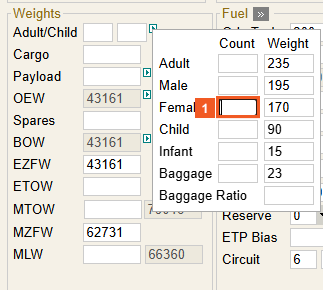
 Enter 70 into the Female field.
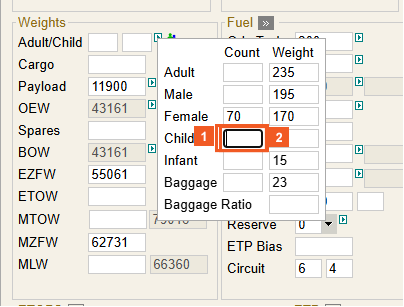
 Click the Child input field.
 Enter 20 into the Child field.
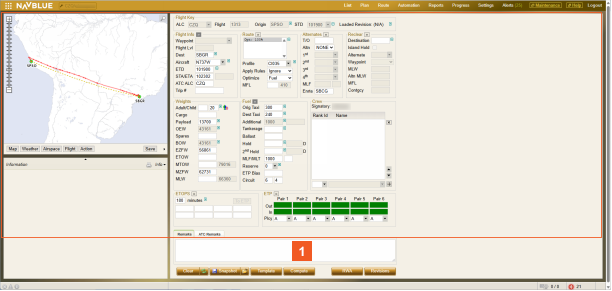
 Click anywhere outside of the expansion menu.
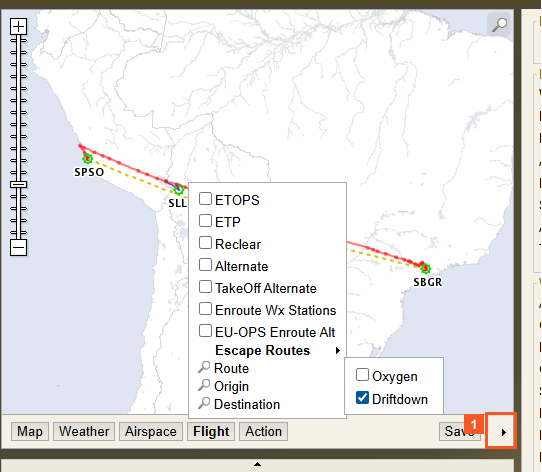
 Click the Map maximization button.
We will now add the Oxygen filter which illustrates on the map.
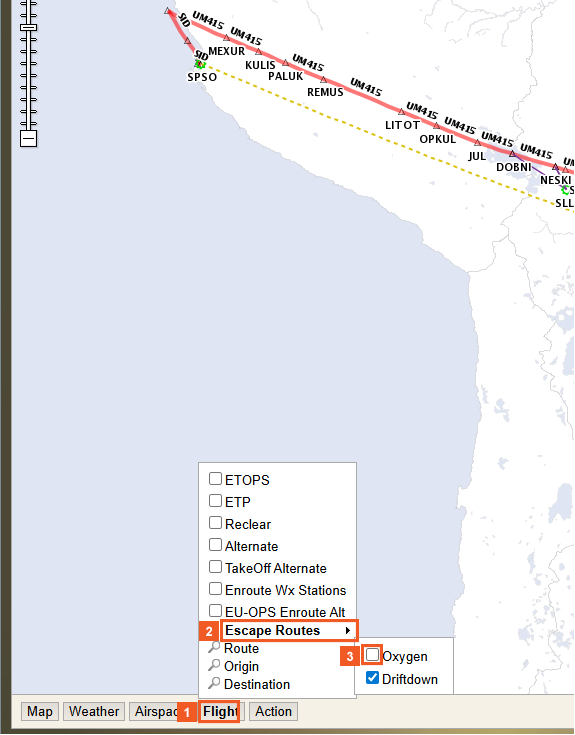
 Click the Flight button.
 Click the Escape Routes list item.
 Click the Oxygen check box.
Enter your text here
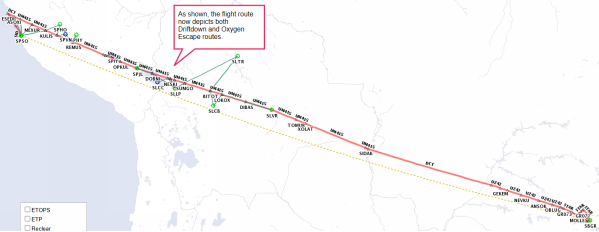

 Click the Oxygen check box.
As shown, the flight route now depicts both Driftdown and Oxygen Escape routes
 Click the Expand/collapse map table cell.
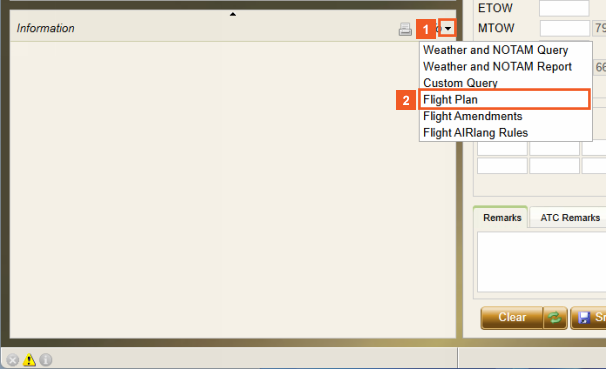
 Click the Info dropdown button.
 Click the Flight Plan list item.
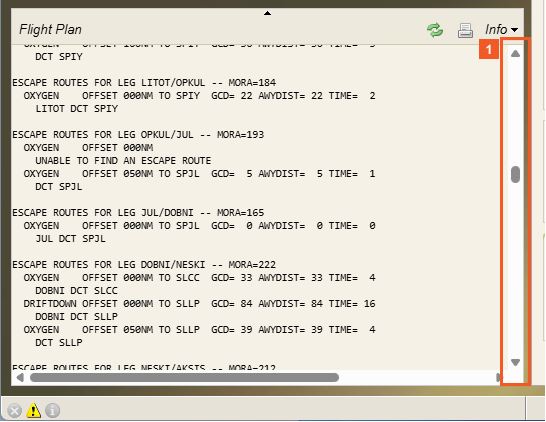
 Click the Flight Plan Info scroll bar.
ATTENTION
For this example, the Flight Plan scroll bar has been scrolled down to display the applicable Escape routes.
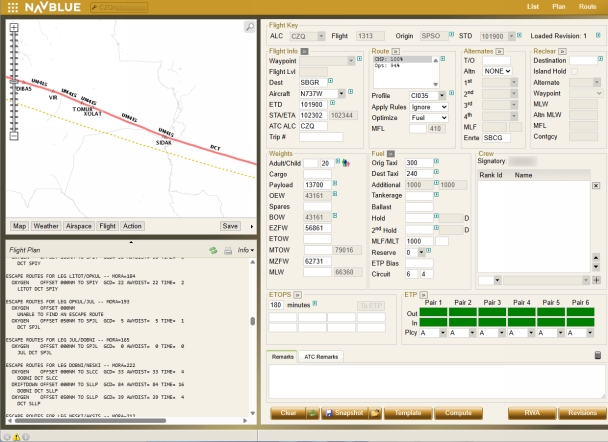
SUCCESS
Congratulations! You have successfully created a route with Driftdown using Method 2: Escape Routes. This ensures the aircraft descends to an altitude where the atmosphere is dense enough to allow the remaining engine to sustain Flight Level.
Key Takeaways
Method 1 Quick Facts:
- One or half engine performance
- Checks aircraft weight against FL.
- Max ceiling for weight
- As fuel burns, the plane gets lighter, weight of the aircraft decreases.
- Reduces max weight (amount calculated by N-FP) to continue flight at a specific FL and clear terrain.
- Increased MORA = Decreased Payloads to stay at current altitude.
Method 2 Quick Facts:
- Identifies safe route option after engine loss.
- Descends to altitude where remaining engines can sustain flight, navigating around and through terrain.
- Accounts for aircraft weight and fuel burn (i.e. as fuel burns and weight decreases, the aircraft can sustain higher altitudes on later legs).
- Ensures terrain clearance above MORA.
- Path runs from TOC to TOD waypoints.